If you enjoy Grow a Garden’s planting-and-returning loop, start by comparing Farmstead, Farming and Friends, and Islands. Each has farming in its creator description, but they emphasize different activities: developing a farm, using equipment and raising animals, or combining farms with island building and adventure.
Choose the part of Grow a Garden you want more of
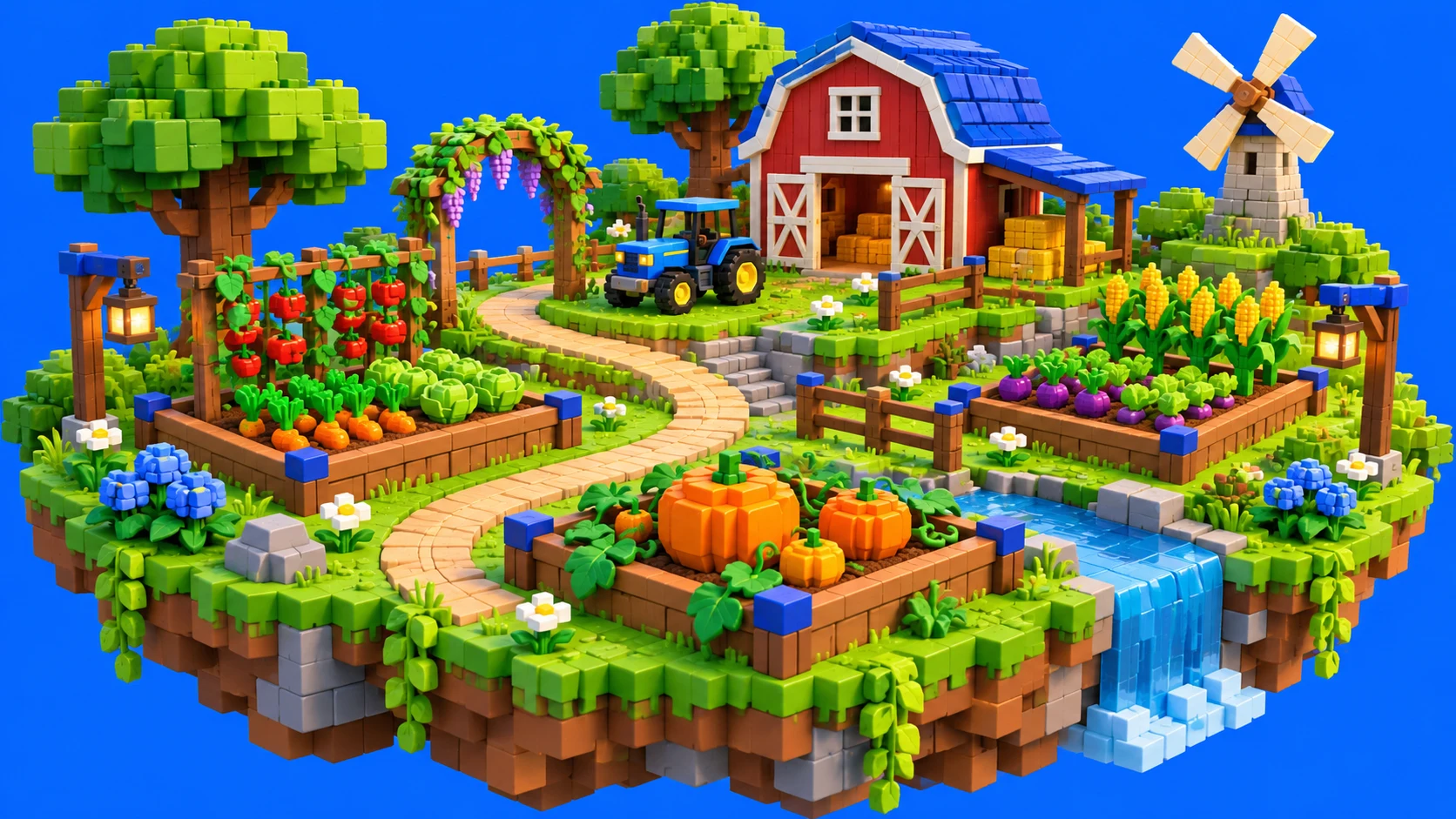
The Grow a Garden listing by The Garden Game describes buying seeds, planting, waiting for growth, harvesting, and growth while offline. Use that loop as your starting point. “Another farming game” can mean anything from tending a small plot to operating machinery or building an island economy.
| Game | Creator | What the listing emphasizes | Check it first if you want |
|---|---|---|---|
| Farmstead | Kanga Games | Farm development, offline growth, decoration, skills, quests | A farm to develop between visits |
| Farming and Friends | Dunn Games | Crops, tractors, equipment, animals, farm buildings | More farm equipment and shared farming |
| Islands | Easy.gg | Island building, farms, animals, cooking, monsters and bosses | Farming inside a broader building game |
These selection notes come from the linked creators’ Roblox descriptions, checked November 8, 2026. We have not assigned hands-on playtest scores. Use each experience page to confirm current access and device support.
Farmstead: develop a farm between visits
Farmstead by Kanga Games describes starting from a bare plot and developing a farm with friends. Its listing includes crops, animals, decoration, skills, new regions, and quests. It also explicitly describes growth while offline.
That combination makes it the first option to examine if your favorite part of Grow a Garden is returning to a plot that has progressed, then deciding what to add next. The decoration and development emphasis gives you another criterion to compare: do you want the place itself to become your ongoing project?
During a first session, look for the next small improvement you can understand without a guide. Record whether the planting action, growth state, and next development choice are clear. Those observations tell you more about your own preferences than a general claim that one farming game is the best.
Farming and Friends: crops, animals, and equipment
The Farming and Friends listing by Dunn Games invites players to grow crops and care for animals together. It highlights tractors, expanding your plot, buying equipment, and adding farm buildings.
Choose this listing to investigate when you want your farming theme to include machinery and a larger working-farm fantasy. Those are different selection criteria from simply collecting a new plant. If you are comparing games with a friend, decide whether you want to spend your session tending crops, improving equipment, or developing the farm’s surroundings.
Keep the first comparison practical: can each of you explain what you are trying to do next? A shared objective is useful only when the group understands the action and the result. Use your first visit to judge that fit before committing to a longer farm project.
Islands: farming within a broader building game
Islands by Easy.gg lists island building, large farms, animals, selling items, cooking, and fighting monsters and bosses. Farming is one component of a wider collection of activities.
Consider it when you want a farm to support something beyond the garden itself. You may be looking for a place to build, another activity to switch to, or a reason to connect crop production with a larger project. The additional activities also mean you should compare the whole premise, rather than expecting every part to resemble Grow a Garden.
For your first visit, choose one goal you can explain in a sentence. Check whether the game’s farming and building activities point toward the kind of project you enjoy. Keep that decision separate from how impressive someone else’s established island looks.
Make a useful first-session comparison
Pick one candidate and one reason for trying it. Use a short note with three headings: what I did, what changed, and what I want to do next. After the session, compare that note with the part of Grow a Garden that originally appealed to you.
- Returning progress: did coming back to the plot give you a clear next action?
- Building: did you enjoy deciding how the farm or island should develop?
- Shared play: did your group find an activity you wanted to do together?
- Variety: did the extra activities add something you wanted?
These are questions for your own trial, not verified ratings of the games. Keep the comparison small enough that you can tell why one option suits your current mood.
Farming games or restaurant games?
If the part you enjoy is turning ingredients into something customers want, compare the Roblox cooking and restaurant games next. They offer a different theme for production, orders, and building. If you want a business-building focus, the tycoon guide provides a broader starting point.
Turn the comparison into an original game idea
For creators, write down the action you enjoyed rather than copying a map or progression system. A small original prototype might have one crop, one readable growth change, and one use for the harvest. Test whether a new player understands that complete loop before adding a market, trading, pets, or persistent economies.
The game ideas guide helps narrow the first playable version. Use a proximity prompt exercise if you need to practice one clear interaction before connecting it to a larger farming system.