How Roblox Game Monetization Works
Roblox reported that creators earned more than $1.5 billion through DevEx in 2025. If you're building Roblox games, understanding monetization helps you design purchases around real player value instead of adding a shop at the end. This guide reflects the current systems checked on August 7, 2026.
Core Roblox Monetization Methods
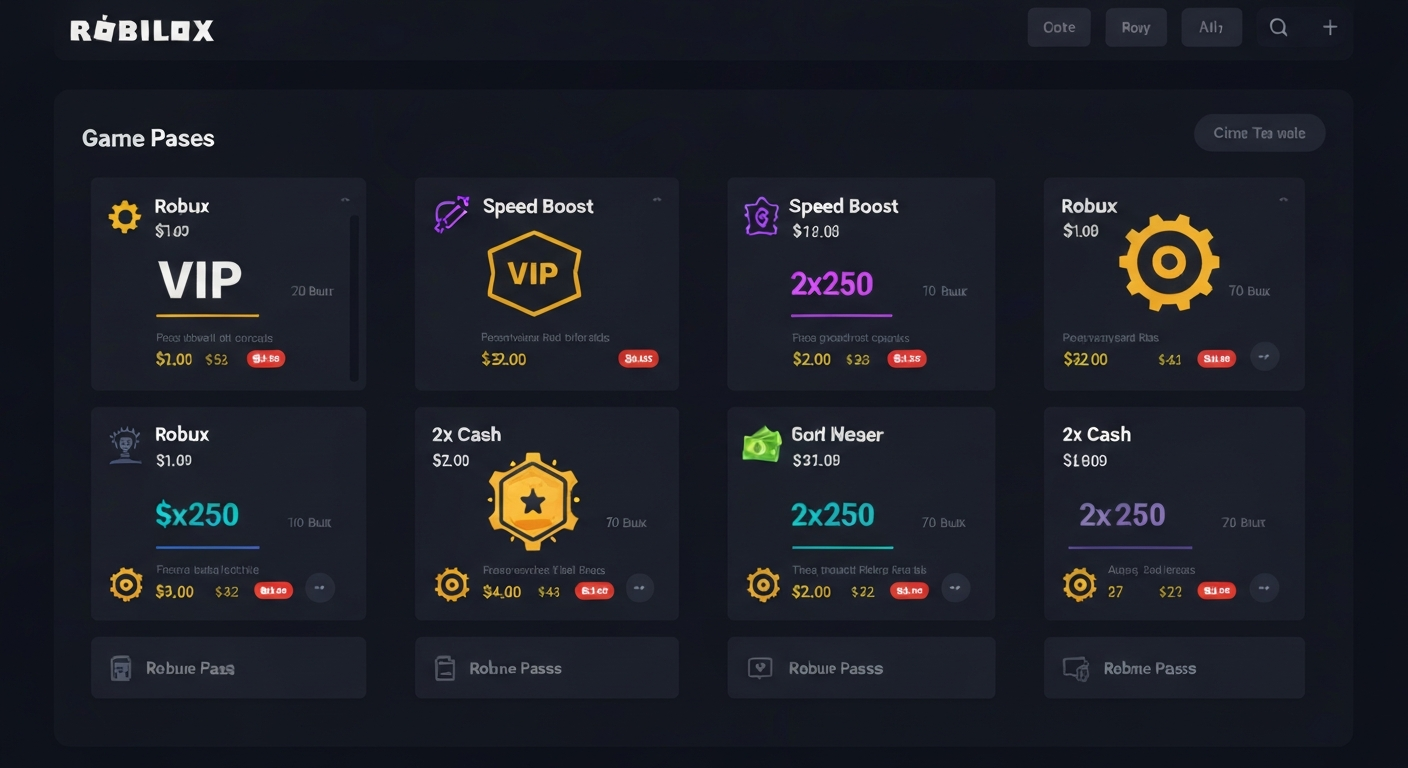
1. Game Passes
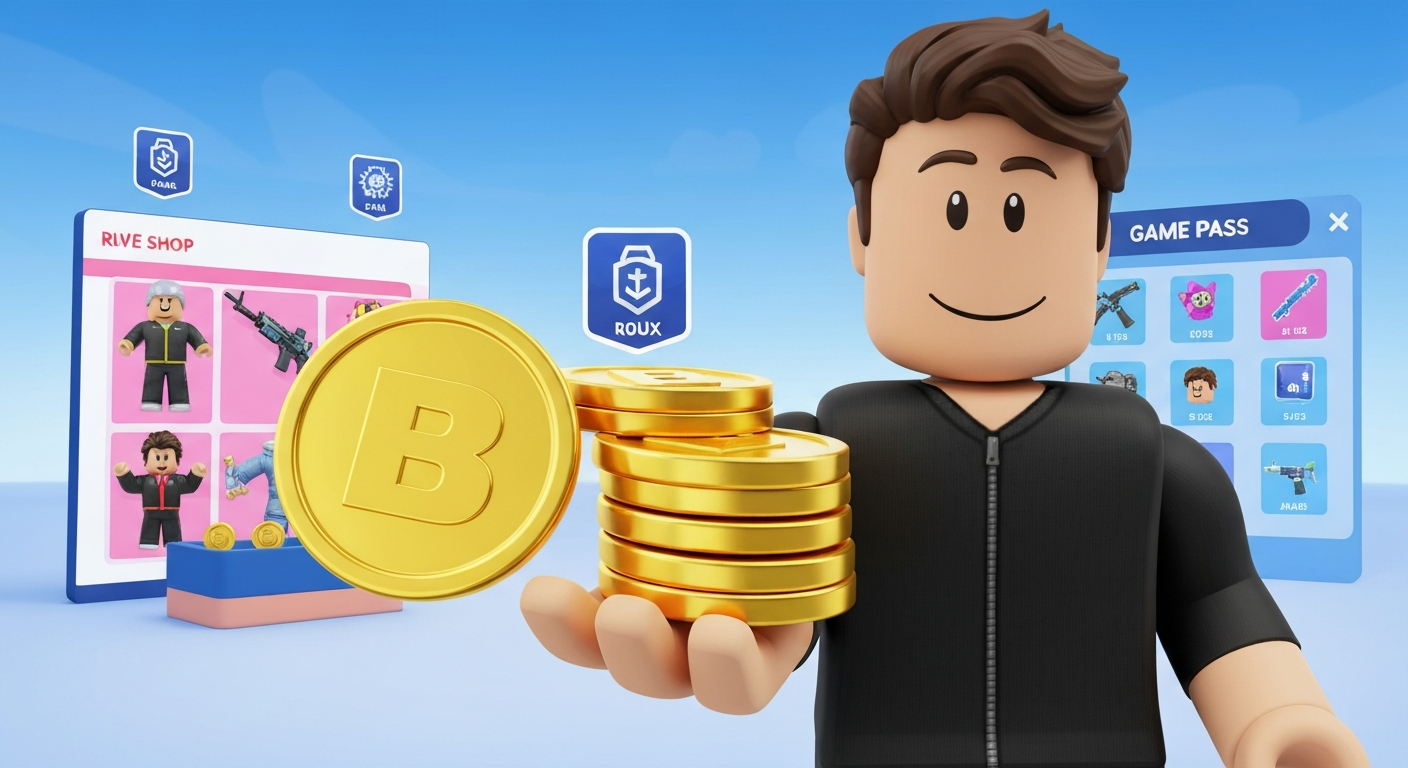
One-time purchases that unlock permanent perks. The most common monetization method.
- VIP Pass: Exclusive areas, cosmetics, or abilities ($4.99-$9.99)
- 2x Speed: Permanent speed boost ($1.99-$4.99)
- Skip Stage: Skip difficult levels in obbies ($0.99-$2.99)
- Radio Pass: Play custom music ($2.99-$4.99)
Learn how to create them: Game Pass Creation Guide
2. Developer Products
Repeatable purchases — players can buy these multiple times.
- In-game currency: 100 coins for $0.99, 1000 for $7.99
- Respins/Rerolls: Try again on random rewards
- Temporary boosts: 2x XP for 30 minutes
- Consumables: Health potions, bombs, special items
Developer products generate more recurring revenue than game passes because players buy them repeatedly.
3. Creator Rewards
Creator Rewards replaced Engagement-Based Payouts and Creator Affiliate. The current program has two distinct paths:
- Daily Engagement: 5 Earned Robux when an eligible Active Spender spends at least 10 minutes in your game and it is among their first three qualifying games that day.
- Audience Expansion: a 35% share of the first $100 in qualifying purchases from an attributed new or reactivated user during their first 60 days, subject to Roblox's eligibility and attribution rules.
Not every visit or purchase qualifies. Use Roblox's current Creator Rewards documentation for forecasting.
4. Subscriptions
Subscriptions provide recurring benefits while a player keeps paying. Robux-priced subscriptions pay creators 70% each month. Local-currency subscriptions pay 70% in the first month and 100% on later renewals, subject to Roblox's current terms and hold periods.
5. Private Servers, UGC, and Immersive Ads
Private-server fees can create recurring Robux revenue. Avatar-item commissions depend on creator, seller, and game-owner roles. Eligible games can also use Roblox's immersive advertising formats. Treat each as a separate model rather than applying one revenue split to everything.
Monetization Best Practices
Price Anchoring
Offer 3 tiers: cheap ($0.99), mid ($4.99), premium ($9.99). Most players pick the middle option. The expensive option makes the mid look like a deal.
Don't Pay-to-Win
Players leave pay-to-win games. Sell cosmetics, convenience, and time-saving — not competitive advantages.
First-Purchase Incentive
Offer a "starter pack" at a deep discount to get the first transaction. Once players have spent once, they're much more likely to spend again.
Limited-Time Offers
Rotating sales and seasonal items create urgency. "Available this weekend only" drives impulse purchases.
Social Proof
Show how many players own a game pass. "5,000+ players have VIP" makes others want it too.
How Much Can You Earn?
Earnings vary based on payer conversion, average spend, retention, product mix, geography, refunds, Creator Rewards eligibility, and how much of the balance qualifies as Earned Robux. There is no reliable fixed income per daily player.
- For your own in-experience passes and developer products, creators generally receive 70% of Robux spent; Roblox's Marketplace Fee is 30%.
- The standard current DevEx rate is $0.0038 per eligible Earned Robux, with legacy and qualifying U.S. 18+ exceptions.
- Transaction revenue and DevEx conversion are separate steps; do not apply the 30% fee twice.
Estimate the two steps with our Robux tax calculator and DevEx calculator. Then compare the estimate with Creator Dashboard and the DevEx Dashboard.
Build and Monetize with Obby
Obby helps you build Roblox games with AI — including monetization features like game passes and developer products. Describe your game, add monetization, and publish.